July 10, 2026
Potty Training Sticker Chart for Toddlers Afraid of Toilet
Help anxious toddlers overcome toilet fear with our proven potty training sticker chart. Turn bathroom anxiety into excitement with rewards that work.
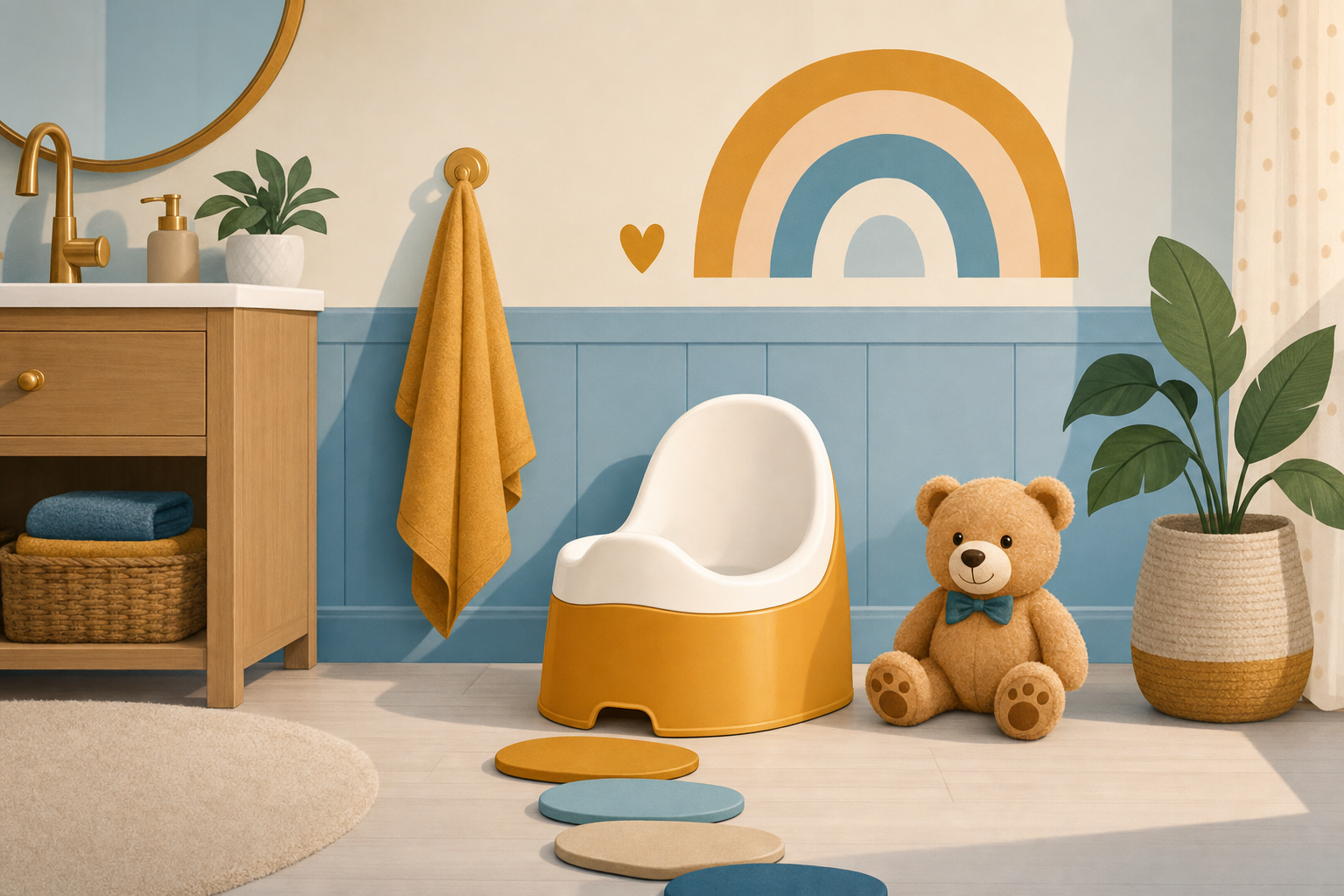
Potty Training Sticker Chart for Toddlers Who Are Afraid of the Toilet
Your toddler can hold it for hours, but the second you mention the bathroom, they burst into tears. They'll sit on the potty fully clothed, but scream when you lift the lid. They beg for a diaper because the toilet is "too scary."
A regular potty training sticker chart tracks successes. But when your child is genuinely afraid of the toilet itself (the loud flush, the echoing bowl, the fear of falling in), tracking "successful uses" sets them up to fail. They need a different kind of chart, one that rewards brave attempts and tiny steps forward, not just dry underwear.
Here's how to build a potty training sticker chart for toddlers who are afraid of the toilet, and actually make progress without tears.
Why Fear-Based Potty Training Needs a Different Chart
Most potty charts reward the end goal: sitting on the toilet, staying dry, or using it successfully. But a toddler who's afraid can't jump straight to that. Their nervous system is screaming "danger" every time they see the bathroom.
A fear-focused potty training reward chart for anxious toddlers breaks the process into smaller, less scary steps. You're not bribing them to use the toilet. You're teaching their brain that the bathroom is safe, one sticker at a time.
This works because toddlers need repetition to override fear. Each calm exposure (even if they don't actually go) helps their brain recategorize the toilet from "scary monster" to "boring bathroom thing."
What to Track on a Potty Chart for Kids Scared of Flushing
Forget tracking pee or poop at first. Your chart should reward any interaction with the toilet that doesn't end in a meltdown. Here's what actually works:
Brave bathroom visits: One sticker for walking into the bathroom without crying, even if they don't go near the toilet. If your child melts down at the threshold, this is your starting line.
Sitting near the toilet: Sticker for sitting on the floor next to the toilet (lid down) while you read a book. No pants off, no pressure. Just proximity.
Touching the toilet: Sticker for letting them flush while you hold them, or for touching the seat with one finger. Sounds silly, but desensitization works.
Sitting on the potty (clothed): Full sticker for sitting on the toilet with the lid up, pants on, for 10 seconds. Count out loud so they know it's short.
Sitting on the potty (pants down): Another milestone. Even if nothing happens, this is huge for a scared kid.
Staying calm during a flush: If the flush sound is the trigger, give stickers for standing in the bathroom while you flush (they can cover their ears). Pair it with a silly song so their brain has something else to focus on.
You're not lowering standards. You're meeting your child where they are. A toddler who's terrified can't logic their way past fear. They need safe, repeated exposure with lots of positive reinforcement.
How to Set Up a Sticker Chart for Potty Training Fear of Toilet
Use a simple chart with 5 to 7 boxes per row. Fewer boxes feels achievable. More than 10 and your toddler loses interest before they see progress.
Label each row with the specific behavior you're tracking. Don't just write "potty time." Write "walked into bathroom without crying" or "sat on potty for 10 seconds." Toddlers (and exhausted parents) need clarity.
Let them pick the stickers. This is non-negotiable. A toddler who chose dinosaur stickers will sit on a toilet for a T-Rex. A toddler handed generic stars might bail.
Place the chart where they can see it from the toilet. Tape it to the bathroom wall at their eye level. When they're sitting there scared, they can look at their progress. It's a visual reminder that they've done this before and survived.
Offer a small reward after each completed row. Not a trip to Target. Think: picking tonight's dessert, an extra bedtime story, or a free coloring page from Chunky Crayon they can color while sitting on the potty tomorrow. The reward should feel special but not financially stressful for you.
If your toddler struggles with sitting still in general (common with potty fear), you might also recognize some overlap with kids who won't sit still during potty time. The difference here is the fear component, which needs slower exposure steps.
Common Potty Training Fears and How to Adjust Your Chart
Fear of falling in: Get a potty seat insert with handles. Track "holding the handles" as a sticker-worthy behavior. Let them practice sitting (fully clothed, lid down) until they trust it won't swallow them.
Fear of the flush: This is the most common trigger. Start by flushing only after they leave the bathroom. Give them a sticker for "staying calm while toilet flushed in another room." Gradually move closer. Some parents let the kid control the flush (while being held) so they feel in charge of the "scary" part.
Fear of the echoey bathroom: Sing, talk, or play music while they sit. Track "sang a song on the potty" on your chart. It distracts their brain and makes the space feel less weird.
Nighttime fear (dark bathroom): If you're tackling sticker chart for potty training night fear, add a nightlight and track "used the potty with the nightlight on." Don't push nighttime training until daytime fear is resolved. One battle at a time.
What to Do When Progress Stalls
Some weeks your toddler will rack up stickers. Other weeks they'll regress and refuse to go near the bathroom. This is normal, not failure.
Don't take stickers away. Ever. A scared toddler who loses a sticker will see the chart as punishment, not motivation.
Pause and go back one step. If they were sitting on the potty but now won't enter the bathroom, go back to rewarding bathroom entry. Meet them where they are today, not where they were last week.
Check for new triggers. Did the toilet overflow? Did they see a scary bug in the bathroom? Did a sibling make fun of them? Potty fear can resurface after a single bad experience.
Take breaks from the chart if needed. If your toddler starts crying when they see the chart, it's become a pressure point. Put it away for a few days. Potty training will still be there next week.
Some toddlers are genuinely more anxious, and potty training takes longer. If your child also struggles with other transitions (like leaving the playground when it's time to go), they might need extra time and patience with this milestone too. That's okay.
When to Celebrate the Small Stuff
Every sticker is a win, even if they didn't pee. A toddler who walked into the bathroom without crying today was sobbing at the doorway two weeks ago. That's real progress.
Celebrate it. Not with a parade, but with a high five, a silly dance, or letting them stick the sticker on themselves. Toddlers remember how you react more than the sticker itself.
If your child is motivated by routine and visual cues in other areas (morning tasks, bedtime), they'll likely respond well to a fear-focused potty chart. The key is making the steps small enough that success feels possible, not like a huge leap.
The Bottom Line
A potty training sticker chart for toddlers who are afraid of the toilet works when it rewards bravery, not just bathroom success. Track the small steps: walking in without tears, touching the toilet, sitting for 10 seconds. Let them pick their stickers, place the chart where they can see it, and offer tiny rewards after each row.
Your toddler isn't being difficult. They're scared. A good sticker chart meets them in that fear and helps them take one tiny, safe step forward at a time. Some days that step is just standing in the bathroom. Other days it's a full successful use. Both deserve a sticker.
You've got this. And when they finally fill that chart, it'll feel like the win it is.