May 30, 2026
Potty Training Sticker Chart for the Last-Second Toddler
Does your 3-6 year old refuse the potty until it's too late? Learn how a visual reward chart motivates reluctant toddlers to sit before accidents happen.
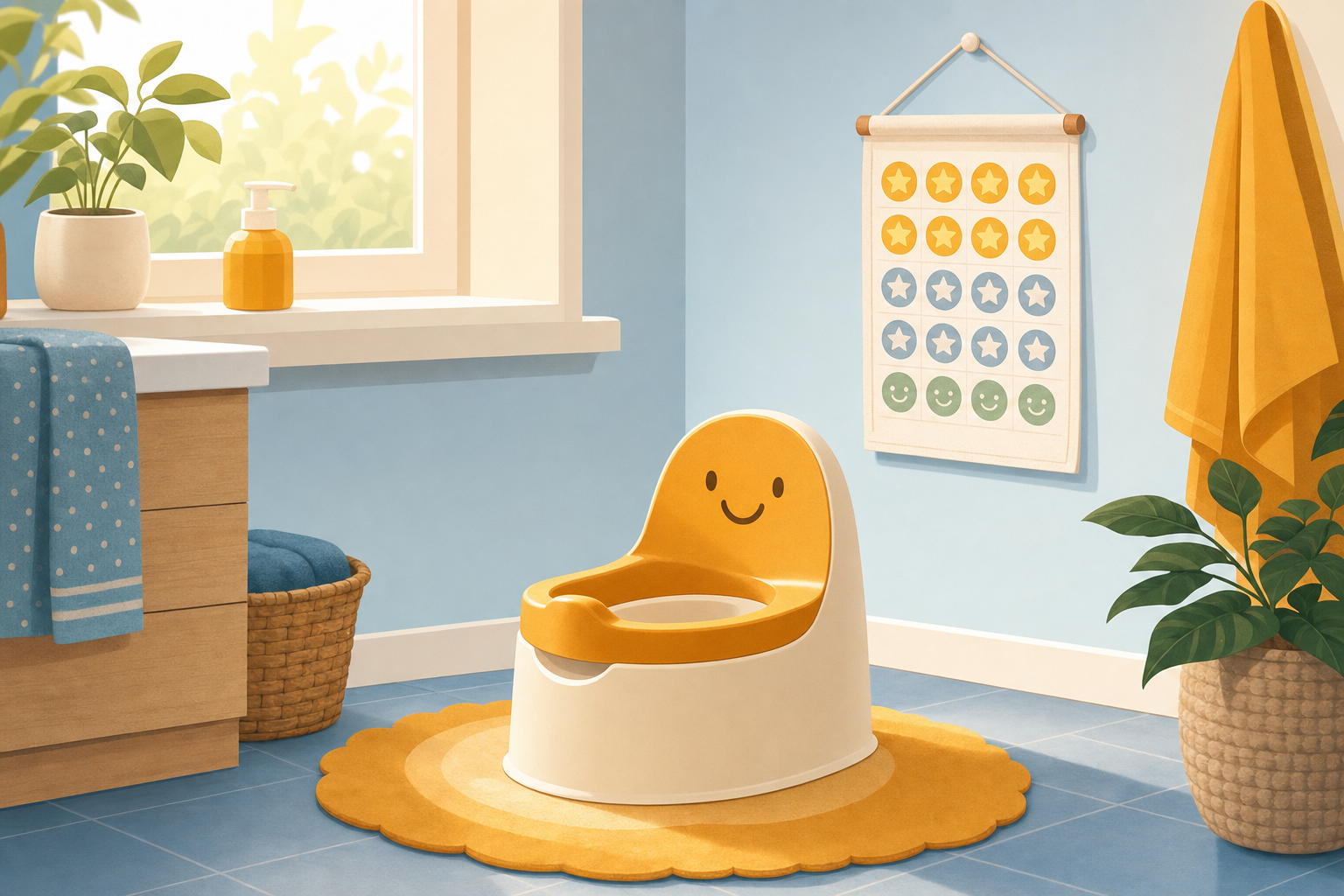
How to Use a Sticker Chart for a 3- to 6-Year-Old Who Refuses to Sit on the Potty Unless You Catch the Very First Urge
Your kid can hold it for hours, shows zero signs they need to go, then suddenly sprints to the bathroom at the absolute last second. Half the time you're too late. The other half, they're doing the potty dance while you're practically carrying them down the hall.
This isn't a readiness problem. It's a resistance-to-pausing problem. Your child knows when they need to go. They just don't want to stop playing, watching, or building until their body forces the issue. A potty training sticker chart for reluctant toddler behavior like this works differently than a standard accident-tracking chart. You're not rewarding dry pants. You're rewarding the pause.
Why Last-Second Potty Runs Happen
Most preschoolers who wait until the final moment aren't being defiant. They're absorbed. At three, four, or five years old, stopping an activity to use the bathroom feels like an interruption, not a necessity.
Some kids also don't recognize the early signals their body sends. They tune out the gentle "I might need to go soon" feeling and only respond when it becomes urgent. By then, you're in crisis mode.
A reward chart for sitting on the potty helps because it turns the boring task of pausing into something with a visible, immediate payoff. You're teaching your child to notice the urge earlier and act on it before the scramble starts.
Set Up a Two-Step Visual Potty Chart for Preschooler Success
Forget charts that only reward staying dry or pooping in the potty. Those skip the hardest part for your child: recognizing they need to go and then choosing to stop what they're doing.
Instead, build a sticker chart for potty resistance that rewards two separate behaviors:
- Telling you they need to try (even if nothing happens)
- Actually using the potty
This two-step approach gives your child credit for noticing the urge early, which is the skill you're really trying to build. If they tell you they need to try and you walk calmly to the bathroom together, they earn a sticker. If they go, they earn a second sticker or a bigger reward.
Use pictures or icons on the chart so your child can see both steps. A speech bubble for "I told a grown-up" and a toilet for "I went." Keep it on the bathroom door or near the potty so it's visible during every trip.
How to Prompt Without Nagging
You know your child needs to go. They're squirming, holding themselves, or doing that tell-tale wiggle. But if you say "Go use the potty," they'll argue or ignore you.
Instead, tie your prompt to the chart: "Do you need to check your body? If you try, you can pick your sticker."
This language puts them in control. You're not telling them they need to go. You're inviting them to notice and decide. It's a small shift, but it reduces the power struggle.
Set a timer for regular intervals (every 60 to 90 minutes) and frame it as sticker time, not potty time. When the timer goes off, your child tries. If they go, great. If not, they still earn the "I tried" sticker. Over a few days, they'll start connecting the timer with their own body's signals.
Some parents also find that a visual routine chart helps kids recognize patterns in their day, like trying the potty after snack time or before leaving the house. You're building a predictable rhythm, which makes the urge easier to anticipate.
Pick Rewards That Matter to Your Specific Child
Stickers work for some kids. For others, they're meaningless. If your child doesn't care about earning a shiny circle on a piece of paper, the whole system falls apart.
Try these small, immediate rewards for a potty training motivation chart for 3 year old momentum:
- A small toy car or animal from a dollar-store grab bag after five "I tried" stickers
- Two minutes of a favorite song while you dance together
- Picking tonight's bedtime book
- Adding a cotton ball to a jar (when the jar is full, they get a bigger reward like a trip to the park)
- A free coloring page from Chunky Crayon to color after a full day of trying
The reward needs to happen the same day, ideally within an hour. Preschoolers don't have the patience or working memory to wait a week for a prize.
If your child is older (five or six) and can handle delayed gratification, you can build toward a bigger reward after a week of consistent tries. Just make sure they can see progress daily with stickers or tokens.
What to Do When Your Child Refuses Potty Until Last Second (Even With the Chart)
Some days, the chart won't work. Your kid will insist they don't need to go, then have an accident 10 minutes later. It's frustrating, but it's also normal.
When this happens, don't take stickers away or lecture. Just state the fact: "You had an accident. No sticker this time. Let's try again after we clean up."
Then reset. If your child is consistently ignoring their body's signals even with the chart in place, the intervals between potty tries might be too long. Shorten the timer to every 45 minutes. Make it impossible to miss.
You can also add a "notice your body" step to other routines. Before leaving the house, before screen time, before a meal. Pair the potty check with something your child already wants to do. This is the same strategy that works for kids who resist other transitions, like sitting at the table or getting ready for bed (if you've ever needed a dinner table behavior chart, you know the drill).
How to Get Toddler to Sit on Potty Before Accidents (The Bigger Picture)
This isn't just about potty training. You're teaching your child to pause, notice what their body is telling them, and act on it before the situation becomes urgent. That skill applies to hunger, tiredness, and emotions too.
A sticker chart for a child who refuses potty until last second works because it breaks the behavior into smaller, achievable steps. Your child doesn't have to be perfect. They just have to try.
Some kids catch on in a week. Others need a month or more. If you're three weeks in and still seeing daily accidents, check with your pediatrician to rule out any physical issues. But in most cases, it's a matter of repetition and patience.
Keep the chart visible. Keep the rewards consistent. Keep your tone calm. And when your child finally tells you they need to go before the last possible second, celebrate it like the win it is.
Build Your Chart in Two Minutes
You don't need to design anything from scratch. Head to Sticker Chart Maker, pick a potty theme, add your two steps ("I told a grown-up" and "I went"), and print. Laminate it if you want it to survive bathroom humidity, or just tape a new one to the wall each week.
The goal isn't a perfect chart. It's a tool that helps your child see their progress and gives you a way to encourage the pause without nagging. That's it.